
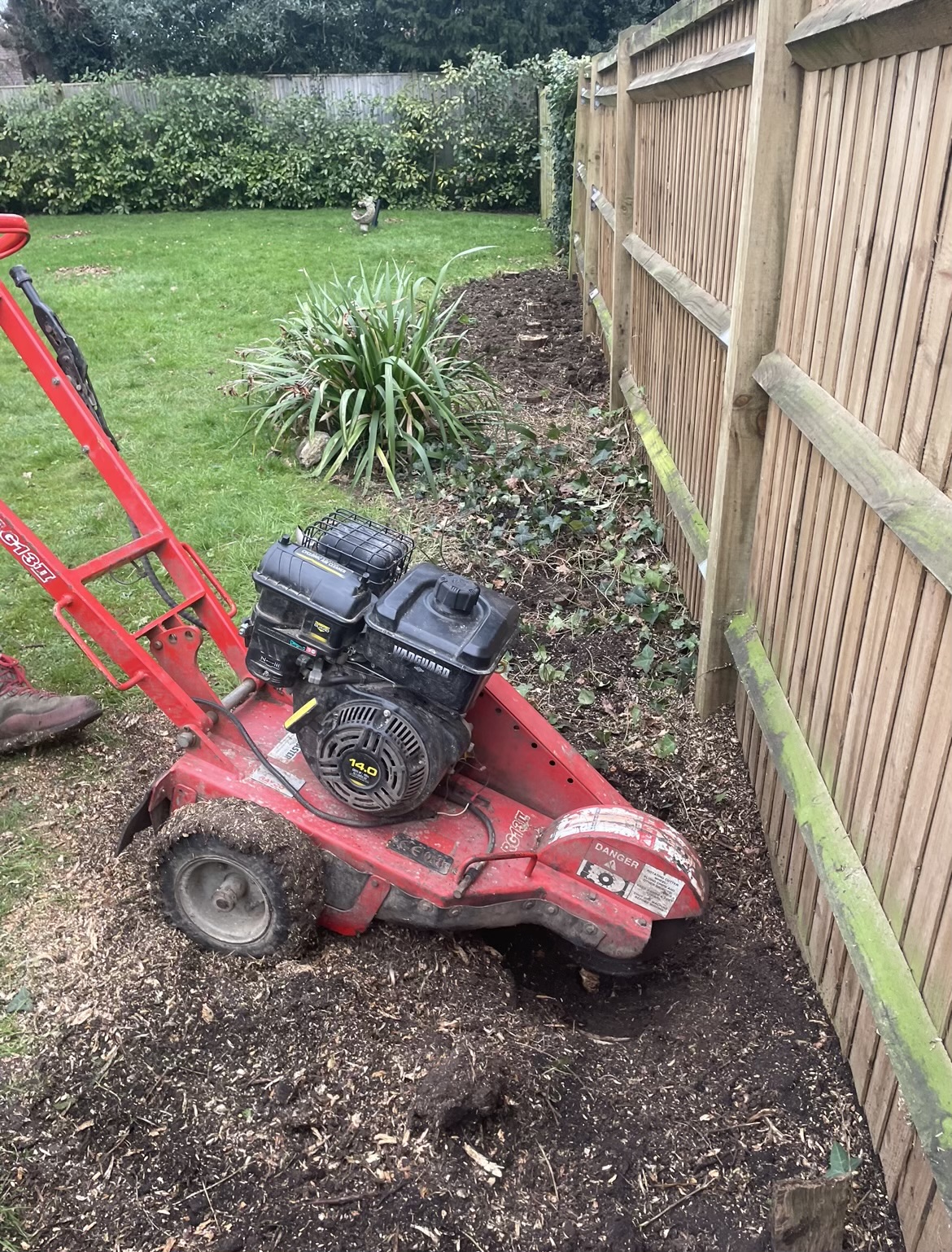
Trees add character, privacy, and structure to your outdoor space, but unmanaged growth or damage can quickly turn into a safety concern. Professional tree surgery helps you maintain healthy canopies, control root spread, and remove structural risks before they threaten buildings, fencing, or access routes. From crown reduction and sectional dismantling to stump grinding and hedge trimming, you gain access to trained specialists using professional climbing harnesses, rigging ropes, and chainsaw equipment designed for precision work.
When you arrange a service through SD Tree Care, you benefit from over a decade of hands-on experience handling residential and commercial environments across West Sussex. Whether you need vegetation managed following storm damage or routine shaping to improve light levels, your trees are assessed with long-term health in mind rather than quick removal.
A free site visit allows you to understand the condition of your trees and the safest path forward. Call 01403 613789 to arrange your quotation and regain confidence in your outdoor environment.
Overgrown branches above buildings or access routes can develop strain and fail without warning, especially where clay soil movement affects stability. Controlled crown reduction or deadwood removal using harnesses and rigging removes risk safely. Timber is chipped and cleared, restoring access quickly while protecting nearby structures and surfaces.
Trees affected by fungal infection, pests, or internal decay may show thinning foliage or bark issues and risk failure. Inspection and pruning remove affected sections using saws or aerial access, protecting the canopy. Where retention is possible you receive recovery guidance; otherwise controlled dismantling prevents damage.
Remaining stumps create trip hazards, attract pests, and restrict landscaping, while roots may affect drainage or paving. Professional stump grinding removes visible and subsurface material safely using surface protection and controlled debris handling. You regain usable ground and flexibility for planting or construction without disturbing nearby features.
Dense or competing tree growth can block daylight, restrict airflow, and limit how you use surrounding space. Selective thinning, crown reduction, or lifting improves light levels and circulation while maintaining structure. Careful pruning restores balance, supports healthy growth, and makes outdoor areas more practical and comfortable to use.
Every service begins with a practical on-site review. Canopy structure, root stability, soil conditions, and surrounding infrastructure are evaluated before any work begins, building a clear picture of the tree’s condition and any risks to nearby structures, access routes, or boundaries.
Consideration is given to Tree Preservation Orders, conservation guidance, and local authority requirements, so any necessary permissions are identified early rather than causing delays once work is underway. Where a tree falls within a conservation area or carries a preservation order, this is factored into the plan from the outset, keeping the process compliant and avoiding unnecessary setbacks.
Visual assessment combined with professional judgement ensures no structural weakness or wildlife protection factor is overlooked, from early signs of decay within the canopy to nesting activity that could affect timing. This thorough approach means the right course of action, whether that’s pruning, monitoring, or removal, is recommended with confidence, giving you a clear plan before any work begins.
Modern tree surgery depends on precision tools and safety systems. Chainsaws suited to sectional dismantling, rigging ropes for controlled lowering, and aerial platforms for elevated access enable accurate intervention. Forestry helmets and PPE equipment maintain compliance with industry safety standards.
The right combination of equipment is selected for each tree and site, rather than a standard approach applied everywhere. Sectional dismantling might call for climbing techniques and manual rigging, while restricted ground access can make an aerial platform the safer, more efficient option. Every piece of equipment is operated by trained specialists following recognised safety procedures throughout.
These techniques allow work to be completed in confined residential settings or busy commercial grounds with minimal disruption. Each method is selected to balance effectiveness with protection of surrounding surfaces, structures, and vegetation. You benefit from professional execution that minimises risk while achieving the required outcome, whatever the constraints of your site.
Where removal is necessary, sectional dismantling ensures each stage is carefully managed. Lowering devices guide materials away from sensitive areas and site protection boards prevent surface damage. Wood chippers process waste efficiently and responsible disposal meets duty of care obligations.
Each stage of removal is planned in sequence, so surrounding trees, fencing, and structures stay protected throughout. Where access is tight or a tree sits close to buildings, sections are lowered using rigging rather than left to fall, keeping the process controlled from start to finish. Ground conditions and nearby planting are also considered, so the wider site isn’t left disturbed once the tree itself is down.
Once work is complete, the area is reinstated and cleared, with surfaces checked and any protection boards removed. This means you regain full use of your outdoor space immediately rather than facing ongoing cleanup, whether that space is a driveway, a garden, or a shared access route.
Routine maintenance reduces unexpected issues and supports healthier growth patterns. Scheduled pruning, hedge shaping, and grounds maintenance provide ongoing oversight that protects both appearance and structural stability.
A typical schedule combines seasonal pruning with regular visual checks, so early signs of disease, storm damage, or structural weakness are picked up before they develop into bigger problems. Visits are timed around each tree’s growth pattern and the time of year, rather than a fixed interval that doesn’t reflect how your trees actually grow.
By establishing a maintenance schedule suited to seasonal growth cycles, you reduce long-term costs and prevent emergency situations. This forward planning gives you confidence that your trees remain safe and presentable throughout the year.
Tree surgery requirements vary widely depending on access, tree size, canopy spread, root complexity, and regulatory considerations. For that reason, you receive a free site visit so work can be assessed accurately before any commitment is made. This approach ensures pricing reflects your actual situation rather than guesswork.
Factors influencing cost include equipment access needs, volume of material removal, specialist rigging requirements, and whether permissions must be coordinated. Emergency call outs may require immediate mobilisation and additional safety planning.
Arranging a quotation is straightforward. Contact SD Tree Care on 01403 613789 to schedule an inspection. You receive clear expectations, realistic timelines, and full understanding of the work involved so you can proceed confidently.
A tree surgeon manages the health, safety, and structure of trees using techniques such as pruning, dismantling, and crown shaping. This work includes hazard removal, disease management, stump grinding, and clearance services. Professional assessment ensures interventions protect surrounding buildings and vegetation. Booking a site visit gives you clarity on what care is required.
Costs vary according to tree size, accessibility, required equipment, and waste volume. Smaller pruning work may require limited time and tools, while dismantling larger trees requires rigging systems and controlled lowering. A free site visit ensures you receive accurate pricing tailored to your property rather than broad estimates.
Permission may be required if a tree is protected by a Tree Preservation Order or located within a conservation area. Regulations vary locally. Professional guidance ensures checks are completed and documentation handled appropriately before work begins.
Timeframes depend on complexity. Minor pruning may be completed within hours, while dismantling large trees or grinding stumps requires longer planning and execution. Site access and safety requirements influence scheduling. You receive a realistic timeframe following inspection.
Roots may interfere with paving, drainage, or foundations when growth is unchecked. Early intervention through pruning or grinding prevents further impact. Inspection allows risks to be identified before damage escalates.
Warning signs include fungal growth, discoloured foliage, bark damage, or structural weakness. Professional inspection identifies underlying causes and determines whether treatment or removal is required.
Crown reduction involves decreasing canopy size while maintaining natural shape. Branches are shortened to improve light penetration and reduce structural strain. This controlled technique improves safety without unnecessary removal.
All timber and vegetation are processed through chipping or removal systems. Responsible disposal ensures compliance with environmental duty of care regulations. Your property is left clear and usable once work is complete.

Subsurface grinding removes hazards and prepares land for development or landscaping, restoring safe and usable ground for future planning.

Boundary shaping improves access and presentation, while professional trimming maintains uniform growth and prevents encroachment affecting neighbouring areas.

If storm damage has left stumps and debris in unsafe areas, emergency support helps make the site safe and plan the next steps.

Ongoing vegetation management keeps business premises safe and presentable, with structured maintenance and hazard reduction supporting uninterrupted operations.

Boundary shaping improves access and presentation, while professional trimming maintains uniform growth and prevents encroachment affecting neighbouring areas.

Subsurface grinding removes hazards and prepares land for development or landscaping, restoring safe and usable ground for future planning.

If storm damage has left stumps and debris in unsafe areas, emergency support helps make the site safe and plan the next steps.
Tree growth, storm exposure, and neglect can quickly turn outdoor assets into liabilities. Arranging professional tree surgery ensures hazards are addressed before damage occurs while preserving the health and appearance of your environment. SD Tree Care offers qualified support, honest assessment, and free site visits so you can move forward with confidence.
Contact 01403 613789 today to arrange your quotation. Services are available Monday to Friday 8am to 6pm with emergency response provided around the clock. Coverage includes Horsham, Southwater, Mannings Heath, Cranleigh, and surrounding areas. Take control of your outdoor space and restore safety and clarity without delay.
Customers often also need Stump grinding, Hedge cutting, Garden clearance, Emergency tree call-out, Grounds maintenance. We cover local areas including Guildford, Epsom, Cranleigh, Horley, Woking, Croydon, Dorking, Haywards Heath, Horsham, Godalming. For help choosing the right service, contact SD Tree Care.